09. Apr 2026
Navigating the Age of AI: Three Spheres for Clarity, Coordination, and Impact

Most AI conversations get trapped in noise: model releases, benchmarks, hot takes, and whatever is trending this week. That matters, but it is not the main thing. The real question is how to navigate this moment without losing clarity.
I think about it through three spheres: the world, relationships, and the individual. The world is the external landscape: markets, labs, clients, and technological change. Relationships are about how teams and organizations adapt when AI changes the speed and shape of work. The individual is the human being operating the machine.
The World: Seek Truth, Understand the Utility, Think Bigger
The first task is to develop filters. There is too much information, so you need principles that help separate signal from noise. One useful idea is durability: what survives tends to matter more than what flashes briefly and disappears. Another is first-principles thinking. Ask why repeatedly. Keep questioning until you reach something solid.
This matters because much of the AI discourse is imitation. People repeat language they barely understand. In that environment, skepticism is not negativity. It is hygiene.
A second point is economic. The large AI labs are, in many ways, selling a new utility. Call it intelligence, inference, or model access, but the business is fundamentally about selling tokens at scale. Once you understand that, the picture becomes clearer: they are not going to solve every niche problem themselves. They provide the underlying fuel. Others can build the machines that use it.
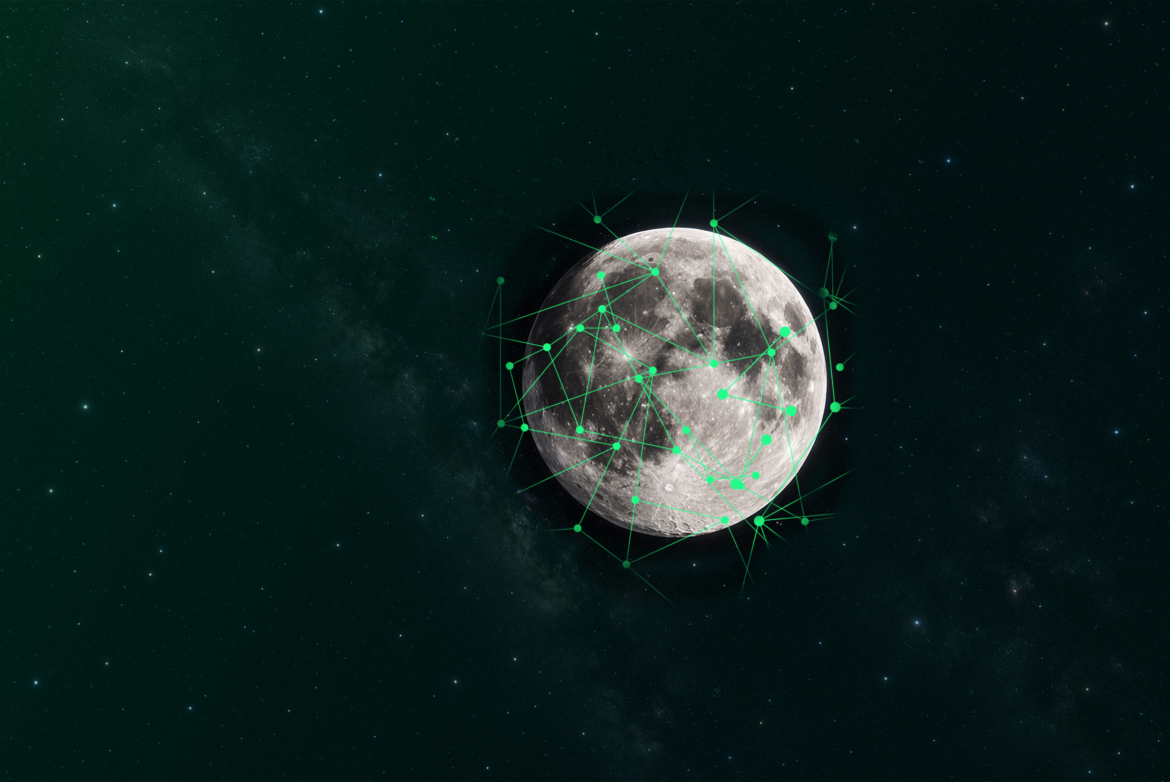
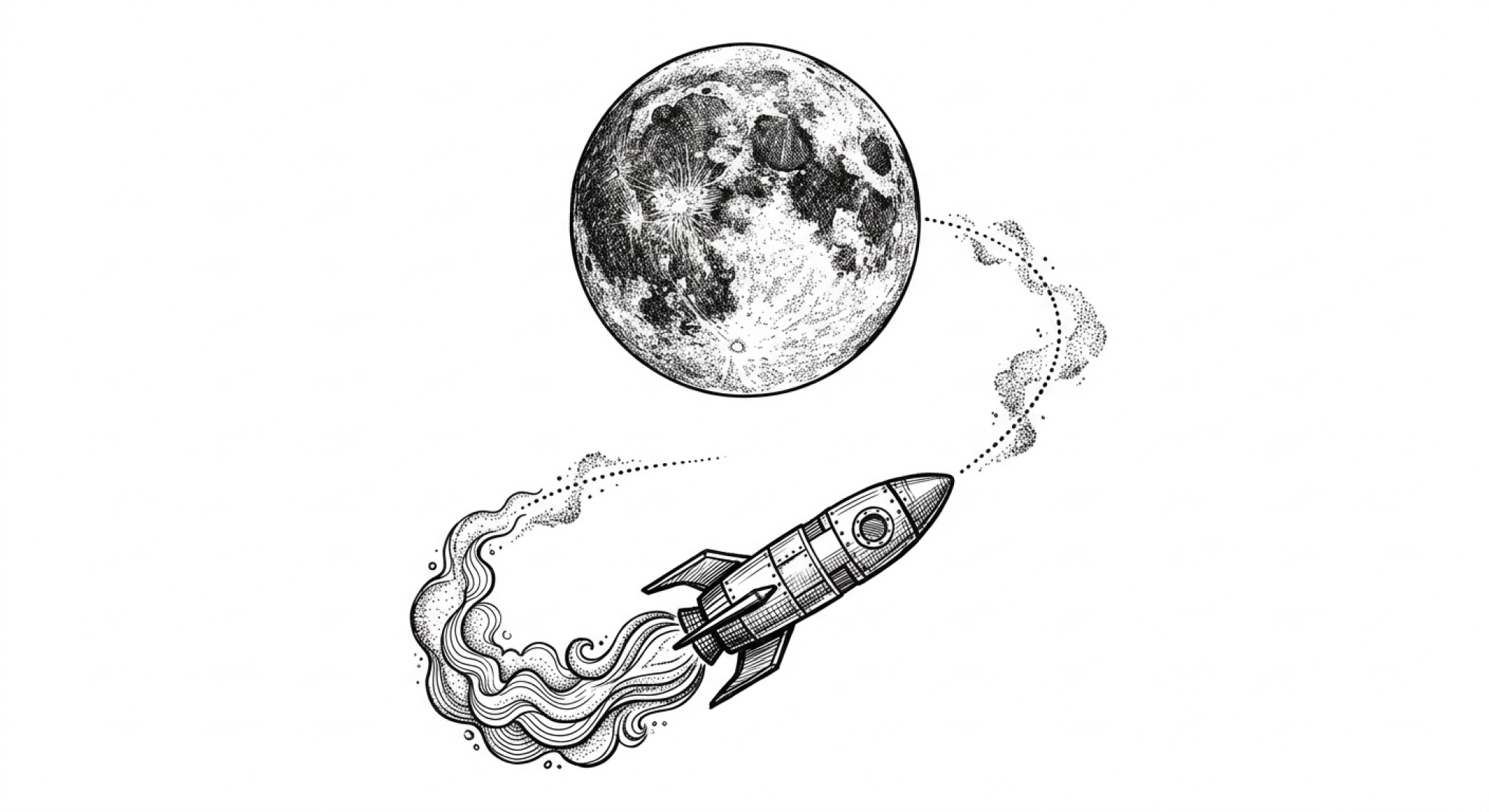
That should expand our ambition. The world is still full of broken systems, bad interfaces, and unsolved coordination problems. AI does not remove those problems. It increases the leverage available to solve them. Projects that looked unrealistic a few years ago are now feasible. That is why this is a good time to think in moonshots.
Relationships: Use the Right Coordination Model
In AI-native work, technology is often not the hardest part. Coordination is.
When output accelerates, teams can become chaotic. Ownership gets blurry. Code appears faster than people can review it. Too many people touching the same thing creates drag.
A better model is often what I think of as the surgeon model. One or two people are deep in the critical implementation, while specialists support around them when needed. Not everybody operates at once. This reduces overhead and makes accountability clearer.
The second relationship challenge is organizational adoption. Here I think of AI as a wild horse. At the beginning, it is powerful, fast, and not yet domesticated. The mistake is to begin with the most constrained version possible. Better to first see the full capability, then reduce from there. Start with power, then apply constraints through governance, compliance, and operational reality. That usually produces better systems than starting from fear.

The Individual: Be the Pilot
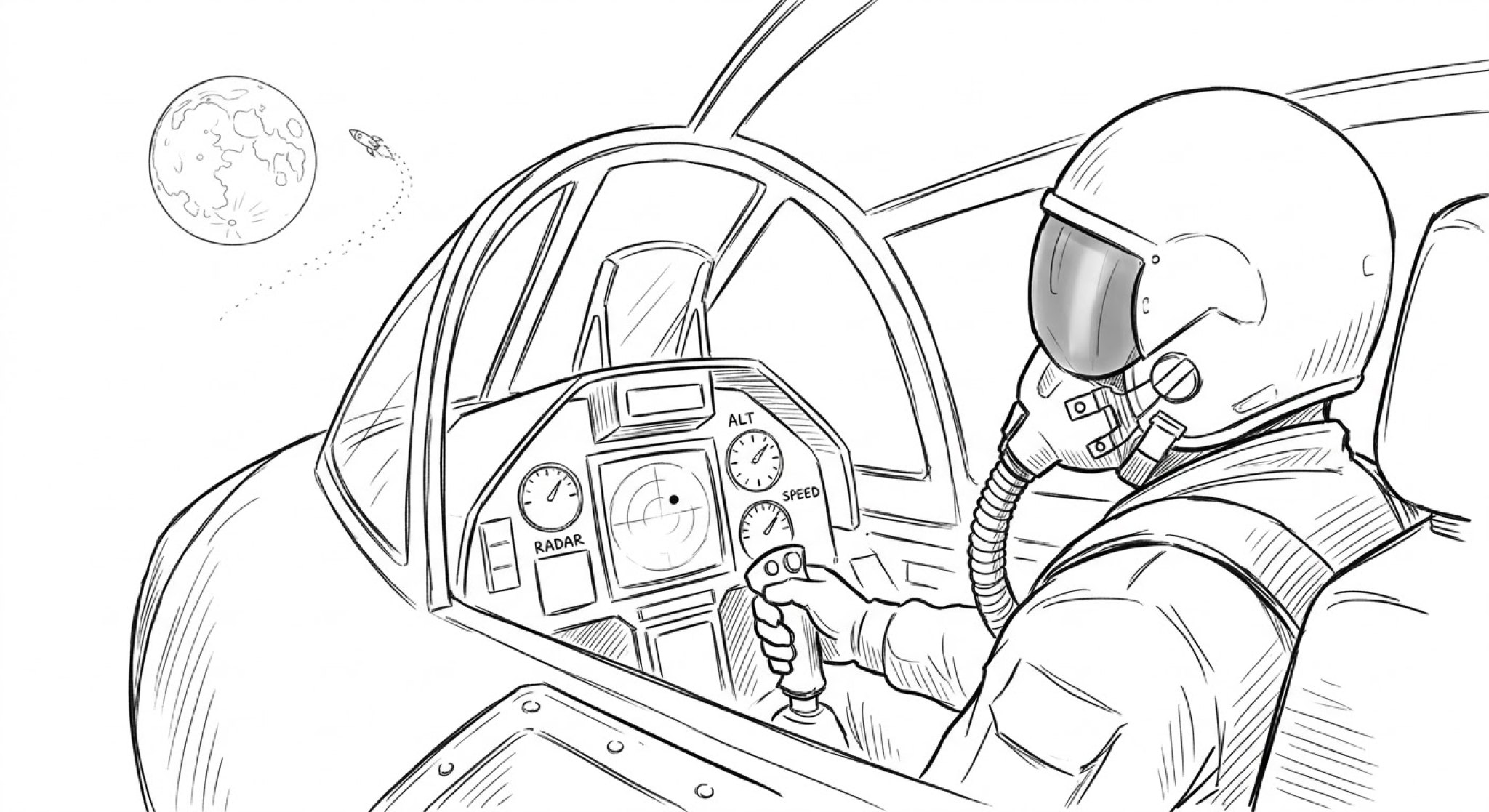
People like to talk about copilots and assistants, but the key question is whether you are becoming the kind of person who can actually fly the machine.
AI amplifies the operator. If your thinking is sloppy, your attention is fragmented, or your standards are weak, the machine will magnify that. So the job is not only to use AI, but to become more capable yourself.
That means improving concentration, judgment, and stamina. It means reading carefully, thinking deeply, and resisting the temptation to outsource understanding. It also means taking care of the body, because cognitive performance depends on physical condition more than many knowledge workers want to admit.
And it means reading beyond AI. The deepest ideas often come from orthogonal fields: neuroscience, psychology, cybernetics, control theory, physics. Tools change quickly. Better mental models endure.
Final Thought
To thrive in the age of AI, you need three things.
- In the world: seek truth, understand the new utility, and think bigger.
- In relationships: simplify coordination and learn how to domesticate new capability without crushing it.
- As an individual: stop acting like a passive user of tools. Train to be the pilot.
The people who do well in this era will not be the ones who consume the most noise. They will be the ones who see clearly, coordinate well, and can handle leverage without being overwhelmed by it.